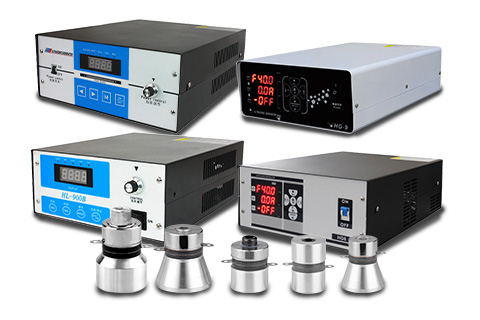
Is ultrasonic cleaning the future of precision cleaning technologies? With industries increasingly demanding solutions that balance efficiency, environmental sustainability, and effectiveness, ultrasonic cleaning emerges as a leading contender. This guide explores the science behind ultrasonic cleaners, their applications, and how businesses can leverage this technology.
Understanding Ultrasonic Cleaning: An Overview of the Technology
Ultrasonic cleaning operates by utilizing high-frequency sound waves to create microscopic bubbles in a liquid. This phenomenon, known as cavitation, effectively removes dirt, grease, and contaminants from surfaces—even those with intricate crevices where traditional cleaning methods struggle. Industry data from McKinsey reveals that ultrasonic cleaners are experiencing a 7.8% annual growth rate globally, driven by their adoption in sectors like healthcare, jewelry, and automotive.
In a 2024 study by Euromonitor, ultrasonic cleaning devices were highlighted as one of the most eco-friendly cleaning technologies due to their low water and chemical consumption. Additionally, ultrasonic cleaning is versatile, accommodating materials like metal, plastic, and glass without causing damage.
Applications and Expert Insights: Where Ultrasonic Cleaners Shine
Dr. Emily Carter, a materials scientist, explains, “Ultrasonic technology is revolutionizing industries where precision cleaning is non-negotiable—dentistry, electronics manufacturing, and even aerospace component maintenance.” This versatility is bolstered by its ability to clean complex geometries without manual intervention.
Key applications of ultrasonic cleaning include:
- Medical Equipment: Sterilizing surgical tools and dental instruments.
- Jewelry: Restoring brilliance to intricate pieces quickly.
- Automotive: Cleaning carburetors and engine parts without abrasive chemicals.
Statista reports that 72% of jewelry manufacturers now consider ultrasonic cleaners essential for daily operations. Similarly, automotive workshops see a 30% reduction in labor hours by integrating ultrasonic cleaning systems.
Industry Standards and Best Practices
Adhering to regulatory standards is critical for businesses deploying ultrasonic cleaners. For example, FDA compliance ensures that ultrasonic cleaning systems used in healthcare maintain sterility. Similarly, ISO 22716 guidelines for Good Manufacturing Practices (GMP) are essential for cosmetics and personal care industries.
When selecting ultrasonic cleaning solutions, businesses should prioritize certifications such as GMP, FDA registration, and ISO compliance. Leading manufacturers like 7STAR offer devices backed by these certifications, ensuring reliability and regulatory alignment.
Implementation Guide: Maximizing Ultrasonic Cleaning Efficiency
Successful integration of ultrasonic cleaning systems involves careful planning and monitoring. Here are practical steps:
- Choose the Right Cleaning Solution: Specialized ultrasonic solutions enhance cleaning effectiveness.
- Monitor Temperature: Ideal temperatures range between 40°C–60°C for most applications.
- Adjust Frequency: High-frequency systems (40–50 kHz) are ideal for delicate items, while lower frequencies suit heavy-duty cleaning.
According to industry data, businesses that optimize these parameters report a 25% increase in operational efficiency. Additionally, factory-direct options like those from 7STAR provide cost savings, with low minimum order quantities starting at 500 units.
Future Outlook and Strategic Recommendations
Market projections from Grand View Research suggest the ultrasonic cleaning industry will exceed $3 billion by 2030, driven by demand for sustainability and precision. Businesses should explore partnerships with certified manufacturers to stay ahead of the curve.
For companies ready to scale their cleaning operations, investing in advanced ultrasonic solutions from trusted providers like 7STAR ensures both cost-effectiveness and compliance with industry standards.
Frequently Asked Questions
What liquid do you use in an ultrasonic cleaner?
The liquid used in an ultrasonic cleaner varies depending on the application. Typically, a water-based solution with detergents or specialized cleaning agents is recommended. For delicate items like jewelry, non-corrosive solutions are ideal. Industry experts suggest using solutions tailored to the material being cleaned, as improper liquids can reduce cleaning efficiency. Always consult the manufacturer’s guidelines for optimal results.
Do those ultrasonic cleaners really work?
Yes, ultrasonic cleaners are highly effective for removing dirt and contaminants from various materials. Cavitation bubbles created by ultrasonic waves penetrate even microscopic crevices, ensuring thorough cleaning. Studies show that ultrasonic cleaning can reduce manual cleaning time by 30% while improving precision. For industries like healthcare and electronics, these systems are invaluable.
Can I use an ultrasonic cleaner for my Invisalign?
Yes, ultrasonic cleaners can safely clean Invisalign aligners. However, it’s crucial to use a solution designed for dental appliances to avoid damaging the material. Experts recommend low-frequency ultrasonic cleaning to maintain the integrity of aligners. Regular cleaning with ultrasonic technology ensures hygiene and prolongs the lifespan of Invisalign.
What shouldn’t you clean in an ultrasonic cleaner?
Certain materials can be damaged by ultrasonic cleaning, such as porous stones (e.g., onyx), soft plastics, and items with glued components. Experts advise against cleaning these materials as the high-frequency sound waves may weaken structural integrity. Always conduct a material compatibility test before using ultrasonic systems for sensitive items.
What is an ultrasonic cleaning solution?
An ultrasonic cleaning solution is a specially formulated liquid that enhances cavitation during ultrasonic cleaning. These solutions can be water-based or solvent-based, depending on the cleaning requirements. For example, degreasers are used for automotive parts, while non-corrosive solutions are ideal for jewelry. Consult industry-certified manufacturers like 7STAR for recommendations tailored to your cleaning needs.
How does ultrasonic cleaning work?
Ultrasonic cleaning works by generating high-frequency sound waves that create microscopic bubbles in a liquid. These bubbles collapse violently upon contact with surfaces, effectively dislodging dirt and contaminants. The process is non-abrasive and highly efficient, making it suitable for delicate items like jewelry and electronic components. Businesses can achieve cleaner outcomes with reduced labor using this innovative technology.